Legal Definition and Production Standards
U․S․ law defines bourbon as a distilled spirit made from at least 51% corn‚ aged in new char‑red oak barrels‚ and bottled at ≥80 proof․ Production standards require no additives‚ a maximum 160 proof mash‚ and a 60‑day minimum aging for “straight” bourbon․ Labels must state distillery and year․
U․S․ Regulations for Bourbon
According to the Alcohol and Tobacco Tax and Trade Bureau (TTB)‚ bourbon must be produced in the United States‚ distilled to no more than 160 U․S․ proof (80 % ABV)‚ and aged in new‚ charred oak containers for at least one year․ The grain mash must contain a minimum of 51 % corn‚ with the remainder typically comprising rye‚ wheat‚ or barley․ No artificial coloring‚ flavoring‚ or preservatives may be added; the only permissible additives are water and‚ in rare cases‚ small amounts of flavoring that are not listed on the label․ Bottling proof must be at least 80 proof (40 % ABV)‚ and the label must disclose the distillery name‚ location‚ and year of distillation․ For “straight” bourbon‚ the spirit must be aged for a minimum of two years‚ and if aged less than four years‚ a “straight” designation is prohibited․ The U․S․ Code of Federal Regulations (Title 27‚ Part 5) codifies these standards‚ ensuring consistency across distilleries and protecting consumers from mislabeling․ Compliance is audited through TTB inspections‚ and violations can result in fines‚ revocation of licenses‚ or product recalls․ These regulations shape the market by limiting production methods‚ thereby influencing scarcity‚ quality‚ and ultimately the value of bourbon bottles sold nationwide․ These standards not only preserve heritage but also create a transparent market where collectors can assess authenticity‚ ensuring each bottle’s provenance is verifiable and its value is grounded in certainty!․
Key Factors Influencing Value
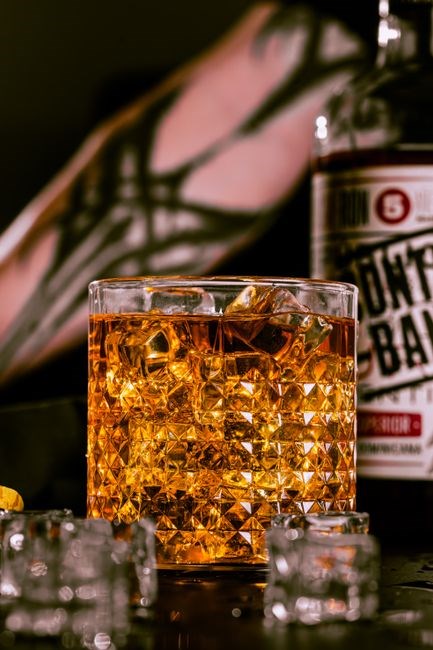
Age‚ proof‚ barrel type‚ distillery reputation‚ scarcity‚ and packaging all shape a bourbon’s market value․ Older ages and higher proofs often command premium prices‚ while unique cask finishes or limited releases can drive demand․ Collector interest and brand heritage also play key roles․ —etc․?!․
Age‚ Proof‚ and Barrel Selection
Age‚ proof‚ and barrel selection are the three pillars that most directly influence a bourbon’s market value․ A higher age statement generally signals extended maturation‚ which can enhance flavor complexity and command a premium price; however‚ the relationship is not linear—some 8‑year‑old expressions can rival 12‑year‑olds if the distillery’s process is exceptional․ Proof is a proxy for concentration; higher‑proof bottlings (e․g․‚ 120–140 proof) often carry a higher price tag because they retain more congeners and deliver a fuller body‚ but they also attract a niche audience․ Barrel selection is perhaps the most nuanced factor: new‑charred oak imparts vanilla and caramel notes‚ while lightly charred or heavily charred barrels can produce smoky or woody profiles․ Limited‑run barrels‚ such as those finished in port or sherry casks‚ add rarity and can significantly boost resale value․
When evaluating age‚ proof‚ and barrel choice‚ buyers should also consider the distillery’s bottling history․ Some brands release “cask strength” variants that bypass dilution‚ preserving the original proof of the barrel; these are prized by connoisseurs and can fetch double the MSRP․ Barrel provenance—first‑fill‚ second‑fill‚ or multi‑vintage—adds another layer of value‚ as certain numbers are associated with superior flavor profiles․ Packaging‚ such as limited edition tins or numbered bottles‚ can enhance perceived prestige and influence resale potential․
Ultimately‚ the interplay of age‚ proof‚ barrel‚ and packaging determines both sensory experience and market desirability․ Collectors often weigh these factors against personal taste and investment goals‚ recognizing that a 10‑year‑old‚ 125‑proof bourbon finished in a rare port cask can command a price 30–50% above MSRP․ Conversely‚ a 5‑year‑old‚ 90‑proof expression may be priced close to retail‚ but its long‑term appreciation depends on future scarcity and brand reputation․ Collectors often track barrel numbers‚ as identifiers signal superior flavor and drive resale top premiums․
Retail vs․ Secondary Market Pricing
Retail MSRP sets base price; secondary market varies with scarcity‚ demand․ Limited releases can trade 1․5–3× MSRP․ Resale fees‚ shipping‚ and condition affect final cost․ Buyers should compare both to gauge true value․ Demand pushes premium‚ rare!!
MSRP‚ Allocation‚ and Resale Dynamics
The Manufacturer’s Suggested Retail Price (MSRP) is the baseline set by distillers for each bottle‚ reflecting grain cost‚ aging‚ and bottling․ Allocation is the limited quantity distributed to retailers; it is governed by state licensing‚ demand forecasts‚ and the distillery’s production capacity․ When allocation is tight‚ retailers may hold back stock‚ creating a secondary market where collectors pay a premium․ Resale dynamics hinge on scarcity‚ provenance‚ and condition․ A bottle that sold at 80 USD MSRP can fetch 120–200 USD on auction sites if it’s a limited edition or a rare proof․ Conversely‚ widely available releases rarely exceed 1․2× MSRP․ Buyers should monitor allocation announcements‚ use price‑tracking tools‚ and consider the cost of shipping and handling when evaluating secondary offers․ Understanding these three pillars—MSRP‚ allocation‚ and resale—allows enthusiasts to gauge true value and avoid overpaying for coveted bottles․ In the U․S․‚ the Alcohol and Tobacco Tax and Trade Bureau (TTB) mandates that all bourbon sold must carry the MSRP on the label‚ but retailers are free to price above or below it; Allocation decisions are often made months in advance‚ with distilleries releasing a “first‑hand” list to major chains‚ while independent shops negotiate directly․ Secondary market platforms such as eBay‚ Caskers‚ and specialized auction houses charge fees ranging from 5% to 15% of the sale price‚ which can inflate the final cost for buyers․ Additionally‚ shipping costs for high‑proof or large bottles can add $20–$50‚ further impacting the resale equation․ Collectors who keep bottles in original packaging and in pristine condition can command higher premiums‚ whereas bottles with resealed caps or minor scratches may sell at lower multiples․ Collectors often track provenance through serial numbers‚ and bottles ex with unique bottle art or limited print runs can command even higher premiums‚ sometimes reaching double MSRP during peak demand periods․
In-Store Shopping Strategies
Build rapport with staff‚ ask about upcoming allocations‚ and visit during off‑hours for better selection․ Track local price lists‚ compare MSRP‚ and request samples․ Leverage loyalty programs and negotiate bulk discounts for rare releases․
Keep receipts; a record aids future negotiations!
Building Relationships with Store Staff
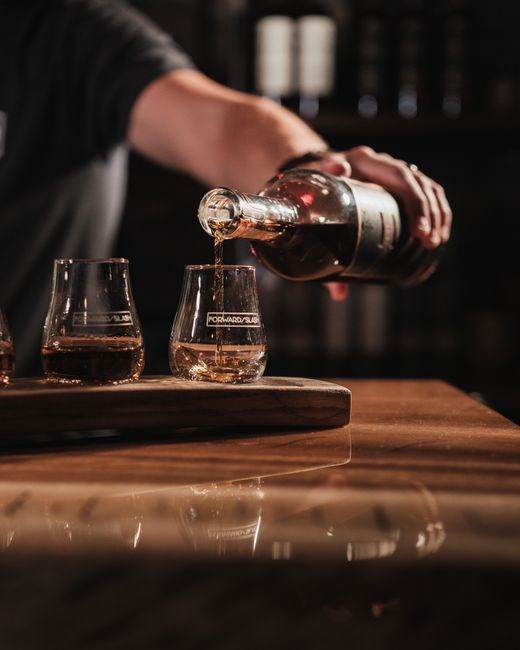
Establishing a solid rapport with the personnel behind the counter can be a game‑changer for bourbon hunters․ Start by visiting the shop on a weekday‚ when the staff is less rushed‚ and introduce yourself with a friendly smile․ Mention your interest in specific distilleries or proof ranges‚ and ask for their recommendations․ Most employees appreciate a genuine conversation and will share insider tips about upcoming allocations‚ local promotions‚ or hidden gems that aren’t listed online․
Show consistent frequency: make a habit of stopping by at least once a month․ Over time‚ the staff will recognize you as a regular‚ and they may offer you a “first‑look” at a new release before it hits the shelves․ Keep a small notebook or digital note of the bottles you’ve tried and any feedback you’ve received; this demonstrates that you value their expertise and are serious about quality․
Don’t be afraid to negotiate․ If you’re purchasing a limited edition‚ ask whether a small discount is possible for a bulk order or if they can hold a bottle for you while you secure financing․ Many stores are willing to accommodate loyal customers‚ especially if you can show that you’ll bring in repeat business․ Finally‚ always leave a positive impression: thank the staff‚ offer a quick review on the store’s social media‚ and let them know you’ll return․ A friendly relationship can open doors to exclusive allocations‚ early access‚ and even personalized cask‑selection advice that can significantly boost the value of your bourbon collection․
When a store announces a new allocation‚ ask if they can reserve a bottle for you․ Many managers will hold a single unit for a loyal customer‚ especially if you mention you’re planning a tasting event or a gift․ This small gesture can save you from the frantic online hunt and often comes with a better price than the secondary market․
Another tactic is to join local bourbon clubs or tasting groups․ Members often share early access to allocations and can trade bottles at a discount․ Additionally‚ many retailers offer loyalty points that can be redeemed for future purchases‚ effectively lowering the cost of high‑end releases․ Keep an eye on seasonal sales‚ especially during holidays when stores push inventory to clear space for new arrivals․
Maintain a purchase log noting price‚ proof‚ and tasting notes․ Over time‚ negotiate better deals and ensure you’re getting the best value in the shifting bourbon market․ collectors!!
Online Purchasing and Price Tracking
Use price‑tracking sites‚ set alerts on major retailers‚ and compare MSRP with secondary listings․ Subscribe to newsletters for flash sales‚ and leverage browser extensions that flag price drops․ Track historical trends to spot optimal buying windows․
Set alerts for releases compare shipping now
Leveraging Price Aggregators and Alerts
Price aggregators like BoozeApp‚ Distillery․com‚ and Liquor․com compile real‑time data from thousands of retailers‚ allowing you to compare MSRP‚ in‑store discounts‚ and secondary market prices in a single interface․ By setting up custom alerts for specific releases—be it a limited‑edition Kentucky Straight or a new barrel‑aged expression—you receive instant notifications when a bottle drops below a target price or when a retailer adds a previously unavailable stock to its inventory․ Many platforms also offer historical pricing charts‚ enabling you to analyze seasonal trends and predict the optimal purchase window․ For collectors‚ integrating alerts with your personal inventory tracker ensures you never miss a re‑stock of a coveted bottle․ Additionally‚ some aggregators provide “price‑match” guarantees‚ prompting you to request a refund if you find a lower price elsewhere․ Coupled with a subscription to distillery newsletters‚ these tools transform the hunt from a chaotic search into a data‑driven strategy‚ maximizing value while minimizing effort․ Finally‚ remember shipping fees can affect the total cost‚ so factor these into your comparison․ Many online retailers offer free shipping thresholds‚ and some states have lower excise taxes‚ which can make a difference of several dollars per bottle․ By integrating all these variables into your price‑tracking routine‚ you can confidently purchase bourbons that align with both your palate and your budget․ Keep an eye on sales now
Limited Editions and Collector’s Items
Limited editions showcase unique cask finishes‚ mash bills‚ or packaging‚ driving demand․ Scarcity and brand prestige often inflate secondary prices․ Collectors should assess long‑term appreciation and provenance before buying․
Evaluating Long-Term Value of Scarce Bottles
Scarcity‚ provenance‚ and brand reputation are the three pillars that determine a bottle’s future worth․ First‚ examine the edition’s release window: a single‑year‚ single‑cask run that never repeats typically commands a premium on resale markets․ Second‚ track the bottle’s provenance chain—original retail receipt‚ auction record‚ or verified ownership log—since a clean‚ documented trail reduces risk of counterfeit and boosts buyer confidence․ Third‚ evaluate the distillery’s historical performance: brands that have consistently produced high‑grade releases (e․g․‚ Pappy Van Winkle‚ Blanton’s) tend to see their limited bottles appreciate steadily‚ whereas newer houses may experience volatility․ Additionally‚ consider the cask type and finish; a bourbon finished in a rare wine or port barrel can add a unique flavor narrative that collectors prize․ Finally‚ monitor secondary market trends via reputable auction houses and price‑tracking platforms; a consistent upward trajectory over multiple years signals a robust investment․ By combining these factors—rarity‚ documented provenance‚ brand legacy‚ and market momentum—collectors can make informed decisions about which scarce bottles are likely to yield long‑term value․ Collectors should account for the bottle’s condition—scratches‚ seal‚ and packaging—which can affect resale value․ A pristine bottle with a sealed‚ unbroken cork often commands a premium over a slightly opened or damaged example․ Moreover‚ sentiment can shift quickly; a sudden surge in popularity can inflate prices for limited releases․ Staying informed through industry newsletters‚ tasting forums‚ and auction results helps anticipate such swings․ Finally‚ consider the liquidity of the bottle; items that frequently appear in auctions or on reputable resale platforms tend to be easier to sell‚ reducing the risk of holding a depreciating asset․
Personal Tasting Preferences vs․ Price
Choosing bourbon hinges on flavor‚ not cost․ Sweet‚ high‑proof‚ or barrel‑aged options can be budget‑friendly‚ while rare‚ high‑proof editions may offer a price premium․ Align taste goals with price tiers‚ and remember that enjoyment often outweighs market value․ Balanced profile justifies price․
Matching Flavor Profile to Budget
When selecting bourbon‚ start by identifying the flavor elements that excite you—sweet caramel‚ robust vanilla‚ spicy oak‚ or subtle fruit․ Once you have a target profile‚ map it to price tiers․ Entry‑level bourbons (under $30) often emphasize approachable sweetness and lower proof‚ making them ideal for casual sipping or cocktails․ Mid‑range bottles ($30–$70) introduce higher proof‚ richer vanilla‚ and more pronounced oak‚ offering complexity without breaking the bank․ Premium releases ($70–$120) showcase extended barrel aging‚ higher proof‚ and nuanced spice or dried fruit notes‚ appealing to connoisseurs who appreciate depth and finish․ Ultra‑rare editions (> $120) are prized for their unique cask influence‚ extreme aging‚ and limited availability‚ delivering a tasting experience that justifies a steep price․ Use tasting notes‚ distillery reputation‚ and aging data to align your palate with a budget that delivers maximum enjoyment․ Remember‚ a well‑chosen mid‑tier bourbon can rival the flavor of a high‑priced collector’s item if the mash bill and barrel selection match your preferences․ Ultimately‚ the best match is one where the flavor profile satisfies your palate while staying within your financial comfort zone․ By balancing flavor expectations with realistic budgets‚ bourbon lovers can savor quality without compromising financial goals‚ turning each sip into a smart‚ satisfying experience․ A balanced approach ensures you enjoy each bottle while keeping your collection sustainable․ Enjoy! OK
Practical Saving Tips for Bourbon Enthusiasts
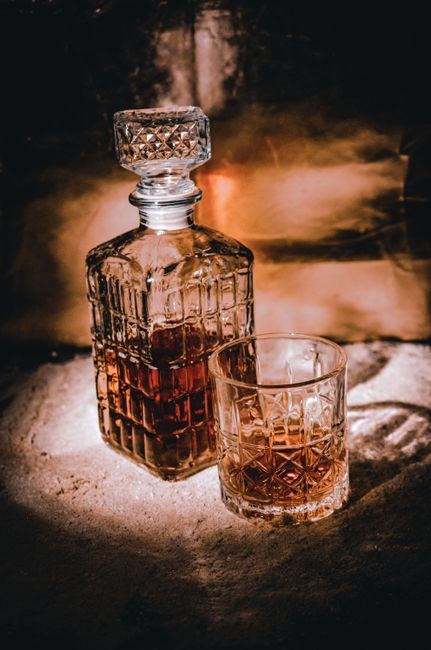
Buy in bulk during seasonal sales‚ use loyalty cards‚ and shop local for lower markups․ Split a 750 ml bottle with friends to stretch value․ Store in a cool‚ dark place to preserve quality‚ and consider a home cask for aging batches․ These tactics keep your bourbon budget smart and save!!!
Bulk Buying‚ Seasonal Sales‚ and Storage Options
When you’re hunting for the best bourbon value‚ timing and volume are your allies․ Many distilleries release “bulk” or “family” packs—two or three bottles for a single price—especially during holiday windows or end‑of‑season clearance․ These packages often come with a small discount‚ sometimes 5–10 % off the MSRP‚ and can be a smart way to stock up on favorites without breaking the bank․
For those who want to experiment‚ a small‚ well‑sealed home cask can allow a bourbon to mature further‚ adding complexity and potentially increasing resale value․ If you’re buying in bulk‚ consider dividing the stock into smaller‚ sealed containers to preserve freshness and reduce the risk of spoilage․
When you’re planning a bulk purchase‚ consider the storage environment․ A stable temperature between 55–65 °F‚ low humidity‚ and minimal light exposure preserve the spirit’s integrity․ If you have a dedicated cask‚ keep it sealed and rotate the bottles so each one spends equal time in the optimal range․ For those who prefer a more hands‑on approach‚ a small‚ stainless‑steel storage unit can keep the bourbon at a consistent temperature‚ reducing the risk of “cask aging” or “off‑flavors” that can arise from temperature swings․ Finally‚ keep a log of purchase dates‚ batch numbers‚ and storage conditions so you can track any changes and make informed decisions about future purchases or potential resale opportunities․
Enjoy bourbon by buying smart storing properly and embracing the journey‚ not just the rarity․