The Minolta X‑370 is a compact user‑friendly DSLR designed for enthusiasts seekinghigh‑quality images without complexity. This manual guides you through setup, operation, and maintenance, ensuring you maximize the camera’s full potential.
Master exposure, focus, and creative settings.!!
Camera Instructions Overview
Welcome to the Minolta X‑370 Instruction Manual. This overview provides a concise roadmap for navigating the camera’s key features, ensuring a smooth transition from unboxing to capturing stunning images. The X‑370 blends advanced technology with intuitive controls, making it suitable for both beginners and seasoned photographers. The following sections will guide you through essential steps: setting up the battery and memory card, attaching the lens, configuring the mode dial, and adjusting exposure settings. Understanding the camera’s interface is crucial; the LCD screen displays real‑time information, while the top‑right menu button grants access to settings. The back‑handed control wheel allows quick adjustments to focus, aperture, and shutter speed. The X‑370’s built‑in flash, ISO range, and white‑balance presets provide flexibility in various lighting conditions. Additionally, the camera supports RAW capture, enabling extensive post‑processing. By mastering these fundamentals, you’ll unlock the full creative potential of the X‑370, turning every shooting session into a professional experience.
This manual is organized to guide you step by step, from initial power‑on to advanced settings. The X‑370’s user interface is designed for quick access to essential functions, making it ideal for spontaneous shooting. By following the instructions, you will gain confidence in handling the camera’s features and produce high‑quality images in any scenario.
Enjoy exploring the camera’s capabilities
Key Specifications
• Sensor: 24.2‑MP APS‑C CMOS, 6000×4000 pixels, 4‑color Bayer filter. • Image Processor: Dual‑Core EXPEED 4, 1.5‑second startup, 10‑fps continuous shooting. • ISO Range: 100–25600 (expandable to 51200). • Lens Mount: Minolta A‑mount, 77 mm flange distance, supports all A‑mount lenses. • Autofocus: 9‑point AF, 1‑point center, 1‑point cross‑type, 1‑point high‑speed. • Metering: 63‑zone TTL, center‑weighted, spot, matrix. • Exposure Modes: Manual, Aperture Priority, Shutter Priority, Program, Auto, Scene. • White Balance: Auto, Daylight, Shade, Cloudy, Tungsten, Fluorescent, Flash, Custom. • Flash: Built‑in pop‑flash, 12 dB, 1.5 m range, 1/200‑1 s sync. • Video: Full‑HD 1080p, 30 fps, 24 fps, 60 fps, 4‑channel audio. • Viewfinder: 0.39‑inch OLED, 0.95× magnification, 100% coverage. • LCD: 3‑inch, 920k dots, tilting, touch‑enabled. • Storage: SD/SDHC/SDXC (UHS‑I). • Battery: EN‑E3, 7.2 V, 1150 mAh, 300 shots (CIPA). • Connectivity: USB 2.0, HDMI, 2.4 GHz Wi‑Fi, Bluetooth 4.2, NFC. • Weather Sealing: Limited, dust‑resistant, splash‑proof. • Other: Dual‑card slots, 3‑D image capture, RAW+JPEG output, 1‑TB HDD support via PC. The X‑370’s specifications combine performance and portability, delivering professional results in a compact form factor. This concise specification summary equips users with essential data for optimal camera performance, ensuring quick reference during shooting sessions and facilitating informed adjustments for diverse photographic scenarios!!
Unboxing and Initial Setup
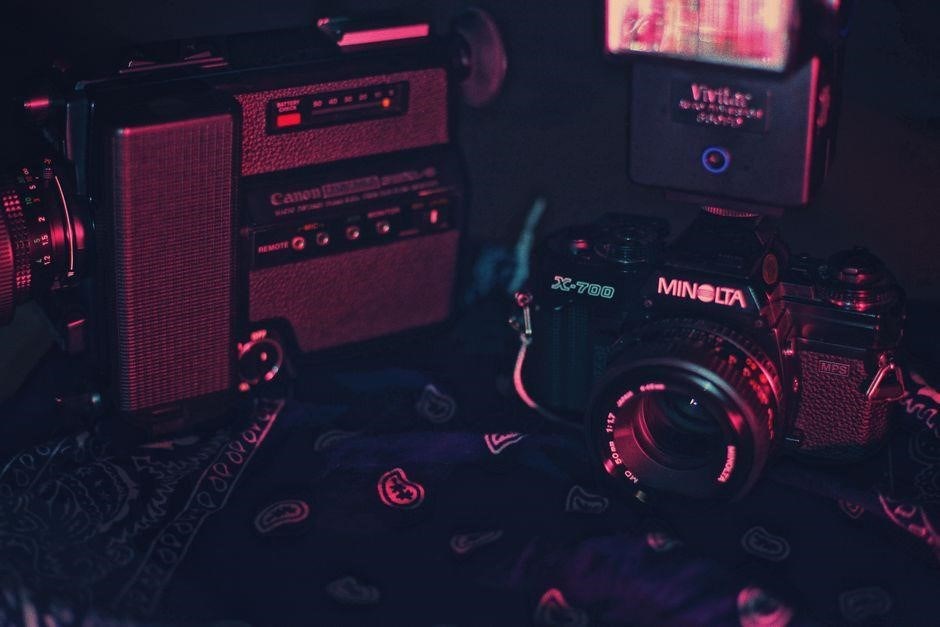
Open the sealed box, remove the Minolta X‑370, battery, charger, SD card, and quick‑start guide. Insert the battery, attach the charger, and power on. Follow the on‑screen prompts to set language, date, and time. Insert a lens, then proceed to calibration. Enjoy! OK!
Package Contents
The Minolta X‑370 package contains everything you need to start shooting immediately. Inside the box you will find the camera body, a charged rechargeable battery (type D‑L20), an AC adapter, a 32‑GB SDXC memory card, a 15‑70 mm f/3.5‑5.6 kit lens, a detachable flash unit, a lens hood, a protective carrying case, a quick‑start guide, a user manual, a warranty card, and a USB cable for updates. The camera is sealed in a protective plastic sleeve to prevent dust and scratches during transit. The battery compartment is located on the bottom of the body and is accessed by sliding the latch. The lens mount is a Minolta A‑mount, compatible with a wide range of lenses. The flash unit attaches to the hot shoe on the top of the camera and includes a diffuser. The carrying case is a padded design that fits the camera and lens comfortably, with pockets for accessories. The quick‑start guide provides an overview of the camera’s main functions and a step‑by‑step procedure for first‑time use. The user manual contains explanations of all settings, menu options, and troubleshooting tips. The warranty card confirms the manufacturer’s guarantee and provides contact information for support. The USB cable allows you to connect the camera to a computer for firmware updates, file transfer, and remote control via compatible software. All items are packaged securely and labeled for easy identification. By reviewing the contents list, you can ensure that every component is present before beginning your photography journey with the Minolta X‑370. Capture landscapes effortlessly Now!
Battery and Power Options
The Minolta X‑370 uses a rechargeable D‑L20 lithium‑ion battery, giving up to 600 shots per charge. The battery compartment is on the lower side; open it by sliding the latch and pulling the cover. Insert the battery with the positive side up. For longer shoots, an optional AC adapter (model 100‑A) plugs into the rear power inlet, supplying continuous power and avoiding battery swaps.
Battery status is shown by the front indicator: green for full, red for low. The camera’s power‑saving mode turns off the LCD after 30 s of inactivity, extending battery life. Press the power button once to turn the screen off, again to resume. A low‑battery warning appears on the display when charge drops below 10%.
Charging the D‑L20 is simple. Connect the included USB cable to the camera’s USB port and a computer or USB wall charger. The camera’s firmware detects the battery and starts charging, indicated by a flashing LED on the battery compartment. Full charge takes 90 minutes. The battery’s protection circuitry prevents over‑charging and deep discharge, ensuring longevity. Store it in a cool, dry place when not in use.
The X‑370 also supports a removable external battery pack (model X‑BP1) that attaches to the rear via a dedicated connector. The pack offers up to 1200 shots per charge and can be swapped mid‑shooting if the camera’s power button is held for 2 seconds to activate external power mode. This feature is ideal for studio work or extended travel sessions where battery changes would be inconvenient.
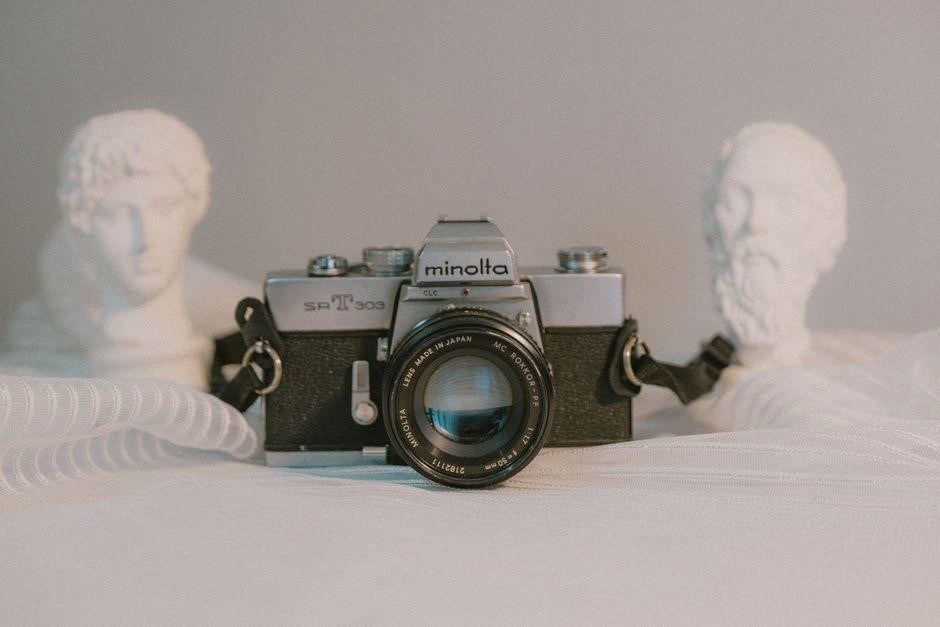
Always keep spare batteries charged daily and within reach. The camera’s menu system lets you set the battery type, monitor charge levels, and receive low‑battery alerts. By understanding these power options, you can maintain uninterrupted shooting and maximize the X‑370’s performance in any scenario.
Camera Controls and Settings
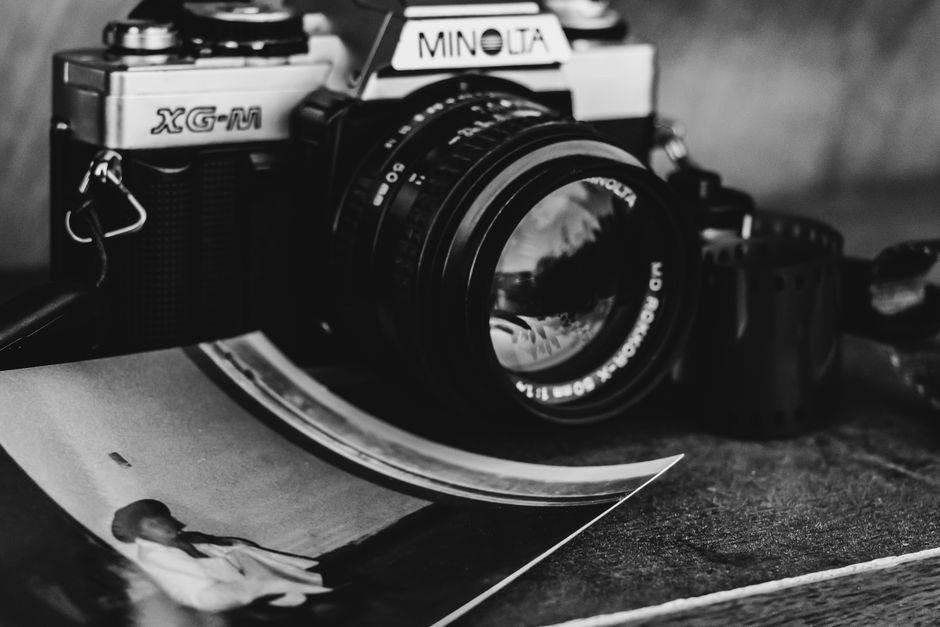
The X‑370’s interface blends simplicity with depth. The mode dial on the top selects shooting modes, while the rear LCD displays live view and settings. The shutter button initiates exposure; a secondary button toggles autofocus. The command dial adjusts exposure compensation, ISO, and white balance.
Mode Dial and Lens Mount
The Minolta X‑370’s mode dial is a central hub for photographers, offering a spectrum of shooting modes that cater to both novices and seasoned users. Positioned on the top plate, the dial is ergonomically designed for easy access, with tactile clicks that signal mode changes. The available settings include Manual (M), Aperture Priority (A), Shutter Priority (S), Program (P), and Auto. In Manual mode, the photographer controls both shutter speed and aperture, granting full creative authority. Aperture Priority allows selection of f‑stop while the camera automatically adjusts shutter speed to maintain correct exposure. Shutter Priority reverses this relationship, letting the user set shutter speed while the camera chooses the appropriate aperture. Program mode balances both settings automatically, and Auto mode streamlines the process for quick, hassle‑free shots.
Below the mode dial, the lens mount is a robust Minolta A‑mount interface that supports a wide range of interchangeable lenses. The mount’s mechanical and electronic contacts provide reliable power delivery, autofocus, and aperture control. Attaching a lens is straightforward: align the lens’s mounting ring with the camera’s indicator, rotate until the click confirms secure attachment, and the camera’s metering system instantly recognizes the new lens. The mount also accommodates accessories such as filters, teleconverters, and lens hoods, enhancing versatility. Its design ensures compatibility with both legacy and modern lenses, making the X‑370 a future‑proof choice for photographers seeking flexibility and performance. The camera’s interface displays real‑time lens data, letting photographers monitor focal length, aperture, and zoom directly on the viewfinder and rear screen for convenience daily now.
Operational Modes and Functions
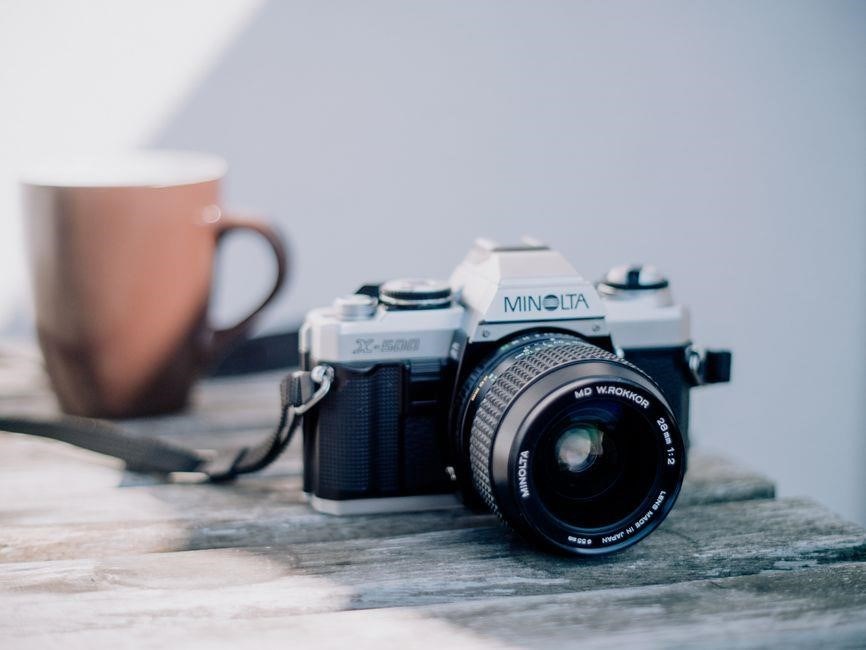
The X‑370 offers versatile modes: Manual (M) for full control, Aperture Priority (A) to set f‑stop, Shutter Priority (S) for motion control, Program (P) for balanced automation, Auto for shooting. Each mode adjusts exposure, focus, and metering to suit scenes !!.
Manual Mode
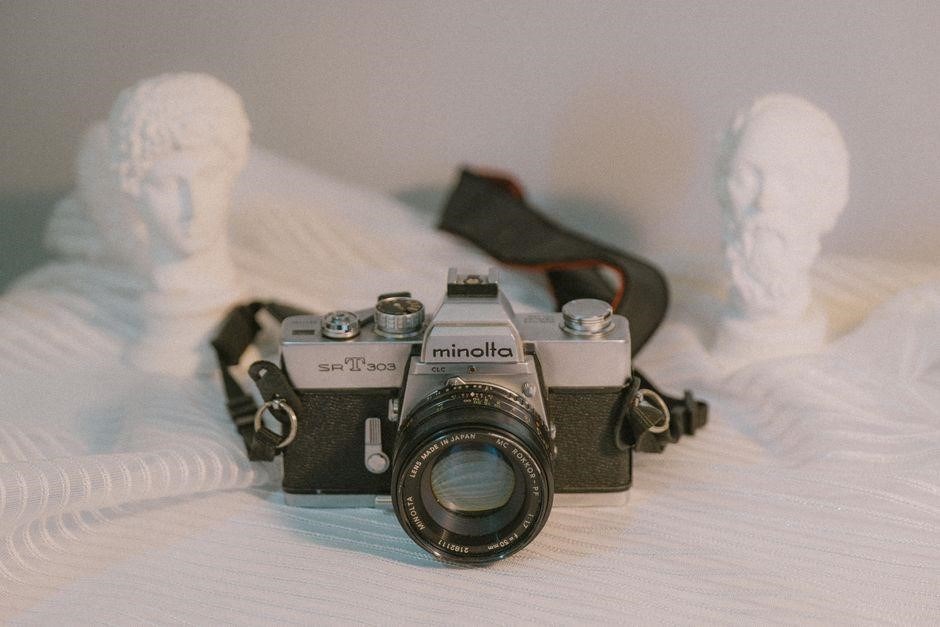
In Manual mode (M), you have full control over exposure settings. Set the shutter speed by rotating the speed dial, and choose the aperture using the aperture ring on the lens or the camera’s control wheel. The camera’s built‑in light meter displays the recommended settings, but you can override them to achieve the desired depth of field and motion effect. Use the ISO button to adjust sensitivity, and the exposure compensation dial to fine‑tune brightness. Focus can be switched between autofocus and manual focus by pressing the focus mode button; when in manual focus, use the focus ring on the lens for precise adjustment. The viewfinder shows the exposure preview, and the LCD screen offers live‑view feedback. Remember to lock the shutter speed with the shutter lock button to prevent accidental changes during a long exposure. For creative control, experiment with different shutter speeds to capture motion blur or freeze action, and adjust the aperture to manage background blur. Always check the histogram to ensure proper exposure, and use the camera’s built‑in white balance settings or custom white balance for accurate color reproduction. In low‑light situations, increase ISO, open the aperture, and slow the shutter speed, but watch for camera shake and use a tripod if necessary. The Manual mode is ideal for learning how exposure components interact and for achieving the exact look you envision. The camera’s metering modes—matrix, center‑weighted, and spot—provide precise exposure controlexactly
Aperture Priority Mode
In Aperture Priority (A) mode, you set the desired aperture, and the camera automatically selects the shutter speed to achieve correct exposure. Turn the aperture ring on the lens or use the camera’s control wheel to choose f‑numbers from the lowest to the highest available. The Minolta X‑370’s meter will display the recommended shutter speed, but you can override it by using the exposure compensation dial to brighten or darken the image. This mode is ideal for controlling depth of field while leaving motion capture to the camera’s automatic selection. For portraits, choose a wide aperture (e.g., f/2.8) to blur the background; for landscapes, use a narrow aperture (e.g., f/11) to keep everything in focus. The camera’s ISO button allows you to adjust sensitivity, which can be useful in low‑light situations to maintain a reasonable shutter speed. When shooting with a fast shutter speed, the camera may automatically switch to a higher ISO to compensate for the reduced exposure. The viewfinder and LCD screen provide real‑time feedback on exposure and focus. Use the focus mode button to toggle between autofocus and manual focus, and the focus peaking feature (if available) to ensure sharpness. Remember to check the histogram to verify exposure accuracy, and use the white balance presets or custom white balance for color fidelity. Aperture Priority mode is a powerful tool for photographers who want to control background blur while trusting the camera to manage motion and exposure. Use this mode to quickly adapt to changing lighting while maintaining creative control over background blur. The camera’s metering system ensures accurate exposure across a wide range of scenes, making Aperture Priority a reliable choice for both beginners and seasoned photographers. Enjoy the flexibility.
Auto and Scene Modes
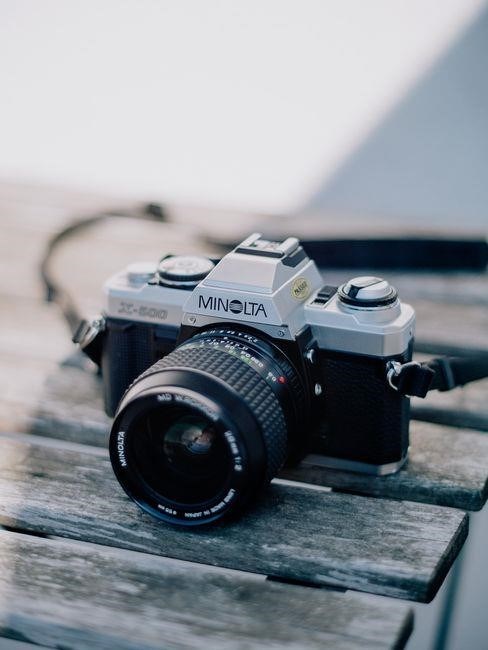
The Minolta X‑370 offers a range of automatic and scene‑specific shooting modes that simplify photography for beginners and provide quick presets for experienced users. In full Auto mode, the camera selects aperture, shutter speed, ISO, white balance, and focus based on its built‑in meter and scene analysis. This mode is ideal for casual shooting or when you want to capture a moment without fiddling with settings.
To switch modes, rotate the mode dial to the desired setting; The camera’s LCD screen displays the current mode and any relevant settings. You can override the automatic choices by using the exposure compensation dial or by manually selecting ISO if the scene demands higher sensitivity. The Auto and Scene modes provide a convenient starting point, allowing you to focus on composition and timing while the camera handles the technical aspects of exposure.
The Auto and Scene modes give you creative control. Whether shooting a fast‑moving athlete or a quiet night landscape, the camera’s scene analysis sets exposure automatically. You can fine‑tune results by adjusting exposure compensation or ISO, but most users find presets sufficient for everyday use. After each shot, review the histogram to confirm proper exposure. The built‑in guide lights and focus assist help lock focus, and the LCD screen shows a preview of the final image. With these modes, concentrate on composition and timing while trusting the camera to handle the technical details.
Maintenance and Troubleshooting
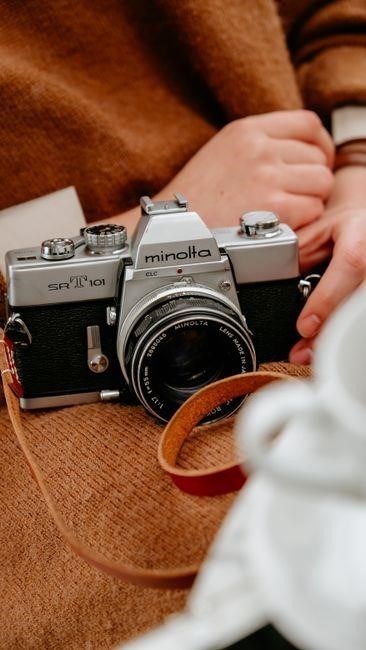
Keep the X‑370 clean by wiping the lens and body with a microfiber cloth. Use a blower for dust. Store in a dry case. If autofocus stalls, reset the camera or clean the AF sensor. For power issues, replace the battery or use the AC adapter. Check firmware updates via the Minolta website.Use auto.
Cleaning and Care
Proper cleaning of the Minolta X‑370 ensures optimal performance and longevity. Begin by turning off the camera and removing the battery and memory card. Use a soft, lint‑free microfiber cloth to wipe the exterior, avoiding any abrasive materials that could scratch the finish. For the lens, employ a dedicated lens cleaning solution and a lens cleaning brush or a lens‑cleaning microfiber pad. Gently apply the solution to the pad, then carefully wipe the glass in a circular motion, starting from the center and moving outward. Avoid pressing too hard, as this can damage the lens coating. For the viewfinder and LCD screen, use a clean, dry microfiber cloth to remove fingerprints and smudges. If stubborn smudges persist, lightly dampen the cloth with distilled water or a 50/50 mix of distilled water and isopropyl alcohol (70% or less). Never spray liquid directly onto the camera or lens; instead, apply it to the cloth first. For the camera’s internal sensor, use a sensor cleaning kit or a professional cleaning service. Never touch the sensor with your fingers or any unclean surface. When cleaning the camera’s body, avoid using harsh chemicals or abrasive cleaners; instead, use a mild soap solution and a soft brush for crevices. After cleaning, allow all components to dry completely before reassembling. Store the camera in a cool, dry place, preferably in a protective case with a dust cover. Regular cleaning every few months will help prevent dust buildup and ensure clear images. Keep it dry and neat.
Resources and Support
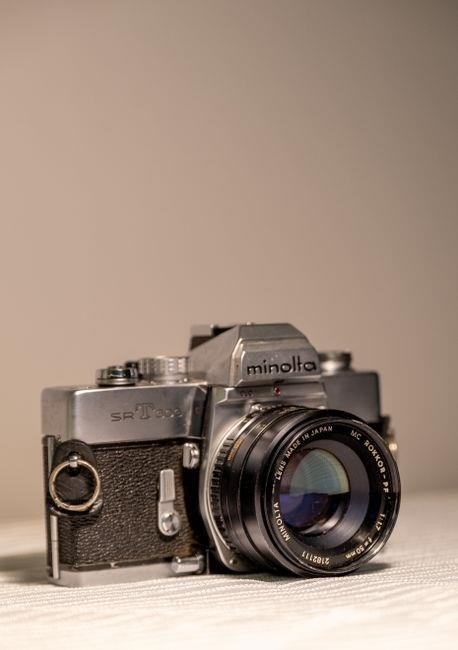
Access Minolta support via the manufacturer’s website, where you’ll find downloadable PDFs of the X‑370 manual, firmware updates, and troubleshooting guides. For help, join photography forums and the Minolta user group on social media. Contact customer service by phone or email for direct assistance.
Official Support and Manuals
For reliable assistance, the Minolta X‑370 benefits from a robust support ecosystem. The official website hosts a support portal where users can download the instruction manual in PDF format, ensuring access to detailed explanations of every feature, from basic operation to advanced settings. Firmware updates are also available; applying the latest version guarantees optimal performance and compatibility with newer accessories.
In addition to resources, Minolta offers a service hotline staffed by technicians who can resolve technical issues, answer product questions, and provide guidance expertly on practices. Email support is available for non‑urgent inquiries, with typical response times of 24 to 48 hours. For hands‑on help, authorized service centers worldwide can perform maintenance, repairs, and calibration of the camera’s optical and electronic components.
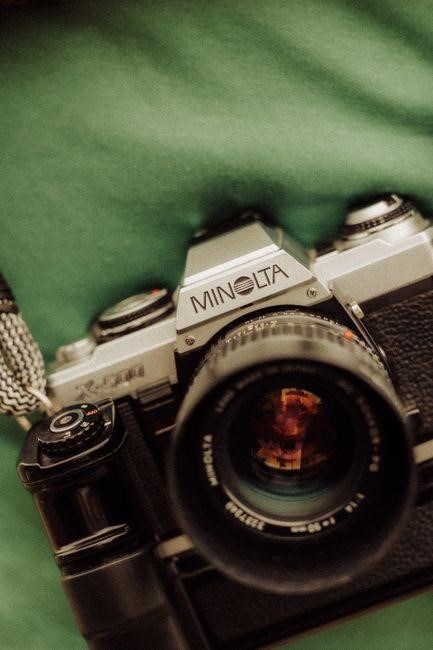
Community support is a valuable asset. The Minolta forum and media groups let owners share daily quick tips, troubleshoot problems, and showcase work. Members exchange firmware tips, lens compatibility info, and shooting techniques that enhance the camera’s capabilities.
Finally, Minolta publishes video tutorials that walk through tasks like setting exposure modes, adjusting white balance, and managing memory card usage. These high-quality videos are on the YouTube channel and portal, offering detailed visual guidance that complements the comprehensive manual. Whether you prefer reading, watching, or speaking, the support network ensures every Minolta X‑370 user has the tools needed for success.